
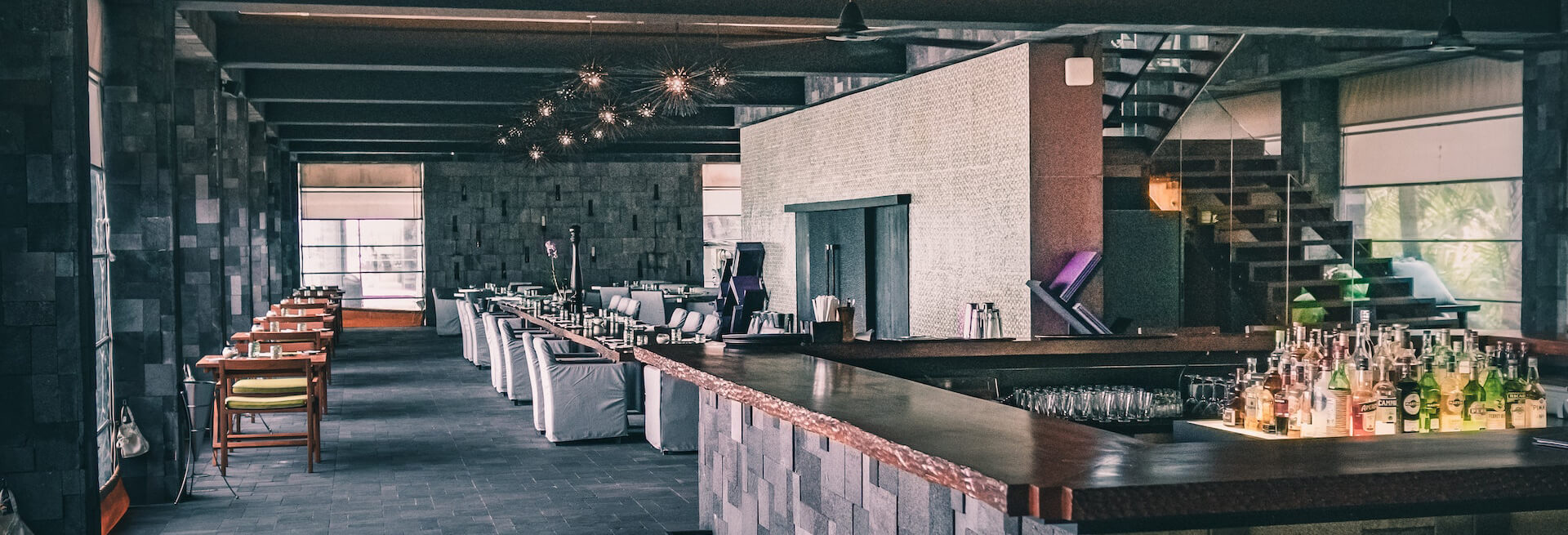

In the last three years, I have been on a mission to understand why the hospitality industry has one of the widest standards gaps in the world. As one moves from one product to another, these gaps become apparent—in the products, the services provided, and the efforts to maintain business sustainability. During my extensive travels in Kenya, I identified these gaps as clearly as one can differentiate their fingers! Sadly, many investors and operators in the hospitality industry seem unaware of their role; they think they are merely conducting business. Even those who recognize their role often regard hospitality as just another business venture. I stayed in small hotels, guest houses, Airbnb, and large local hotels, dined in various establishments, and used all sorts of transportation. These gaps are as vast as one can imagine. If not for my fact-finding mission, these experiences would have been just ordinary outings.
My interest in this area stems from my long experience in the hospitality industry. I’ve operated within it, viewed it from an executive position for over two and a half decades, engaged in continuous training, and approached it from a research perspective. I have traveled to numerous great cities and tourist areas, witnessing how design significantly contributes to making those places great. With this reflection, I continually compare my surroundings to understand what drives people to certain places while they avoid others. This is my foundation.
Much has been written about hospitality, but the focus is predominantly on “tourist class hospitality.” This is unfortunate for emerging economies where travel is mostly domestic, and the consumption of travel, food, and drink is localized and often not considered hospitality. What if we viewed any place offering these services as providing hospitality? In economies where cross-border travel is common, hospitality is a significant part of the experience. This perspective encourages interest and investment in hospitality, whereas in many rising economies, hospitality remains the domain of tourists and not the majority of locals who frequently eat and travel outside their homes.
This blog targets potential and active investors, operators, and practitioners in the hospitality industry. The opportunities here are endless, exciting, and highly engaging, but they require a clear thought process, a passion for people, and a drive to provide experiences beyond customer expectations. Fortunately, this industry allows for segmentation as far as creativity can stretch. Hospitality is like fishing in an ocean full of fish; the catch depends on expertise and hard work. Investors, operators, and practitioners must view people as customers and be intentional in their hospitality provision, whether the business caters to locals or tourists, and regardless of its size.
Being intentional about hospitality might seem unusual for the numerous new restaurants and hotels downtown, in the countryside, or in urban centers. However, the investment in a thoughtfully designed hospitality product versus a poorly conceived facility might not differ significantly. Why invest in just a joint when you can create a truly good product? A good product attracts people who, over time, learn to appreciate quality and make it a profitable business. Conversely, a bad joint tends to attract the opposite and eventually stagnates or dies. This raises the question: How do we make spaces, products, or services truly attractive, profitable, and sustainable? We can talk about quality or world-class standards, but how do we begin?
Attractiveness, profitability, and sustainability call for a clear and focused strategy. This applies to large, medium, and small/micro businesses. There are many strategies that can be used, but we start with “designing for hospitality.” This should not be perceived as mere strategic jargon but as a crucial step bridging the gap between a good hospitality product and a convenience product offering similar services. It is a significant divide separating success and failure in hospitality development. Consider a downtown low-end restaurant and a high-end town restaurant: both offer food and drink, but one might be low-end because it was not designed with hospitality in mind, while the other is a thoughtfully conceived business yielding high returns over the long term. The same principle applies to hotels, guest houses, Airbnbs, and travel companies.
Designing for Hospitality
Designing for hospitality involves creating spaces, services, and experiences within the hospitality industry with an emphasis on intentionality, guest comfort, and environmental responsibility. This concept highlights the importance of crafting environments and interactions that cater to the physical, emotional, and social needs of guests while addressing sustainability challenges through eco-conscious practices and materials. Whether in downtown areas, city centers, countryside, or county towns and villages, designing for hospitality is both possible and effective.
A Thoughtful and Sustainable Design include:
1.
Thoughtful Design:
Focuses on creating guest-centered experiences that prioritize comfort, inclusivity, and unique, memorable interactions. This includes ergonomic furniture, seamless check-in processes, culturally relevant decor, and spaces designed to meet diverse needs, such as accessibility for individuals with disabilities. For instance, easy-to-use milk vending machines, ATMs, bus ticketing machines, or mobile toilets are designed to provide comfort and convenience. In contrast, congested, smoky, and unhygienic food outlets or places with dirty toilets show how design improvements can transform the hospitality feel.
-
2.
Sustainable Practices:
Involves reducing environmental impact while maintaining high-quality guest experiences. This includes using renewable or recycled materials, energy-efficient systems like LED lighting or green building certifications, water conservation measures, and eco-friendly operational practices. Sustainability also extends to encouraging responsible behaviors among guests, such as reducing waste or supporting local communities. -
3.
Holistic Experience Creation:
Considers how every element of a guest’s stay—physical, digital, and interpersonal—is connected. This could mean integrating advanced technology like smart room controls or leveraging biophilic design elements (e.g., natural light, indoor plants) to enhance well-being.
Why Expert Guidance is Essential for Success
Hospitality is unique in that its success is measured not only by revenue but also by emotional connections, reviews, and brand loyalty. Therefore, any hospitality provider aiming to create a memorable, attractive, and sustainable space must recognize the importance of consulting with professionals who understand the nuances of operating in this industry. This ensures that spaces meet ergonomic, operational, and aesthetic standards to delight guests, integrate cultural and local elements into the design, create a unique brand identity, attract eco-conscious travelers, and avoid costly mistakes in room layouts or communal areas.
Where New Bridges Inspiration Co. Steps in
At “New Bridges Inspiration Co”, we believe that hospitality should be everywhere—on city streets, in small towns, and across country sides. Our mission is to help every hospitality provider, from guesthouses too small to mid-scale hotels, unlock their full potential by integrating thoughtful design principles into their spaces and services. We specialize in Strategic Hospitality Leadership and Building Sustainable Partnerships for MSMEs.
- Dr. David Gachuru,
- Strategy and Hospitality Expert,
- 0722720704.
Post a comment
Related Posts

February 10, 2025
DESIGNING FOR HOSPITALITY: INTEGRATING OWNERSHIP AND PERSONAL RESPONSIBILITY
Designing for hospitality requires a deep commitment to ownership and personal responsibility from both investors…

January 16, 2025
DESIGNING FOR HOSPITALITY: CUSTOMER EXPERIENCES IN THE FACE OF FIERCE GLOBAL COMPETITION
Recently, I visited a prominent telecommunications shop in a Nairobi mall to get help with…


